Tucson’s climate is famously hot and dry, but winter brings more chill than newcomers expect. Desert nights can plunge below freezing from December through February, and even daytime highs sometimes hover in the low 50s. For homeowners and property managers, a reliable furnace isn’t a luxury - it’s fundamental for both comfort and safety. Yet many people hesitate when faced with the possibility of replacing their furnace. The question lingers: Is it time to repair, or is replacement wiser? Drawing on two decades of HVAC experience in Tucson, I’ll walk you through the practical realities behind this decision.
Tucson’s Unique Heating Profile
Unlike regions where heating systems run for months on end, Tucson homes typically use their furnaces less intensively. However, that doesn’t mean they last forever. In fact, intermittent use combined with desert dust and sharp temperature swings present their own set of challenges.
I’ve seen 20-year-old units chug along through mild winters, only to fail when a rare cold snap hits. That failure often strikes at the worst possible moment - think Christmas Eve with out-of-town guests shivering under blankets.
The combination of hard water (which affects humidifiers), dust infiltration, and sudden on-off cycles all contribute to wear in ways that are different from what you’d see in colder climates.
The Telltale Signs: Repair or Replace?
Deciding whether to fix or replace a furnace rarely comes down to one clear sign. Usually, it’s an accumulation of issues that tip the scale.
An experienced HVAC contractor in Tucson knows that certain problems point toward replacement more strongly than others:
- Age of the system: Most furnaces are designed to last 15–20 years, though some high-end models may push 25. Frequency and cost of repairs: If recent repairs add up to more than half the price of a new unit within two years, replacement becomes economically sensible. Efficiency decline: Soaring utility bills often signal internal deterioration - heat exchangers lose effectiveness, blowers draw more power. Comfort inconsistencies: Hot or cold spots develop when ducts leak or motors falter. Safety concerns: Cracked heat exchangers can leak carbon monoxide; old wiring may become a fire risk.
When neighbors call about “just one more repair,” I always ask how long they expect to stay in their home. If you’re planning to move soon and your unit still works safely with minor investment, repair may suffice. But if you want peace of mind for years ahead - especially if you’re raising kids or caring for elderly relatives - new equipment is usually justified.
What Makes Tucson Different?
You might hear about furnaces running 30 years in Minnesota or Maine. That’s not typical here for several reasons:

First, our monsoon season delivers bursts of humidity which Ac repair in Tucson then vanish into extreme dryness. This cycle Ac repair in Tucson stresses heat exchangers and gaskets far beyond what most manufacturers design for.
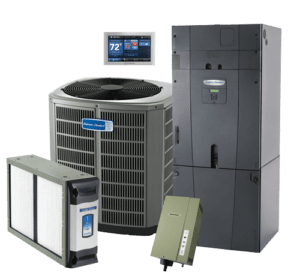
Second, local air carries fine dust nearly year-round. Filters clog faster; motors work harder; bearings seize unexpectedly if maintenance isn’t diligent.
Third, many older homes were built with minimal duct insulation because builders underestimated how cold desert nights could get. This means older systems strain harder just to maintain modest warmth.
Having performed hundreds of Ac repairs in Tucson over the years, I’ve noticed that proactive homeowners who schedule annual maintenance often squeeze out extra seasons from their equipment. But even then, after enough cycles through harsh summers and surprisingly chilly winters, every furnace faces retirement age eventually.
Cost Considerations Beyond the Sticker Price
It’s tempting to think only about upfront cost when weighing repair vs replacement. Yet real savings (or expenses) play out over time.
A brand-new gas furnace typically costs between $3,800 and $6,500 installed in Tucson as of early 2024. High-efficiency models come in higher but can shave hundreds off annual gas bills if your unit runs frequently during winter months.
The invisible savings come from reduced emergency calls (“no heat” at midnight costs double), improved indoor air quality (newer units filter better), and lower carbon monoxide risks due to modern safety features.
On the flip side, patching an old unit may seem frugal today but sets up future headaches if another part fails next month or energy bills continue creeping upward each winter.
Here are key questions I pose to clients before making recommendations:
How old is your current system? Have you needed multiple repairs over the past two winters? Are utility costs rising despite similar usage patterns? Do you plan on staying put for three years or more? Is anyone in your household sensitive to allergens or respiratory issues?If three or more answers raise red flags - age above 15 years, frequent repairs recently, rising bills without explanation - then replacement warrants serious consideration.
A Closer Look at Efficiency Gains
Newer furnaces aren’t just marginally better; they’re often dramatically so compared with units from before 2006 when efficiency standards changed nationwide.
For example:
- Standard-efficiency gas furnaces (installed pre-2000) operate at around 60–70% AFUE (annual fuel utilization efficiency). Current mid-efficiency models reach 80–83% AFUE. High-efficiency condensing furnaces hit 95%+ AFUE.
In practical terms: If your old system burns $100 worth of gas each month but only converts $65 into usable heat (the rest goes up the flue), upgrading could mean keeping $20–$30 per month in your pocket during peak heating periods.
Over five years of ownership this difference adds up quickly - enough savings to offset much of the initial installation cost while reducing environmental impact too.
| System Age | Typical Efficiency | Annual Fuel Waste | Common Problems | |-------------------|-------------------|------------------|-------------------------------| | Over 20 Years | <70% AFUE | Highest | Frequent breakdowns | | 10–20 Years | ~75–80% AFUE | Moderate | Blower/fan failures | | Under 10 Years | >90% AFUE | Lowest | Rare if maintained |
This table shows how age correlates not just with risk but also wasted dollars year after year.
The Human Factor: Comfort Matters
Numbers aside, daily comfort shapes whether a furnace feels like an asset or an annoyance. I recall one family near Sabino Canyon who tolerated room-to-room temperature swings every winter until finally investing in a new variable-speed furnace and updated ductwork last year. The result was immediate: quieter operation, even warmth throughout bedrooms and living spaces - plus noticeably cleaner air thanks to improved filtration options now standard on modern equipment.
Comfort also means peace of mind during rare emergencies like ice storms or prolonged power outages common outside city limits where backup generators kick on automatically only if your HVAC setup is compatible.
Timing Your Upgrade Strategically
Most people don’t contemplate furnace replacement until something breaks on a frosty evening - yet planning ahead saves stress and money alike.
Late spring through early fall is ideal for major HVAC work here because demand drops after cooling season ends but before heating needs return full force. Local HVAC companies often offer seasonal discounts during this window; technicians have greater scheduling flexibility too so jobs finish faster with less disruption at home.
Another advantage: Replacing your heating system outside peak season means parts availability improves since suppliers aren’t scrambling as much for emergency replacements across town.
How Ac Repair in Tucson Connects With Furnace Decisions
In practice there’s significant overlap between AC repair in Tucson and decisions about heating equipment replacement because most homes use combined forced-air systems (shared blower fans/ductwork).
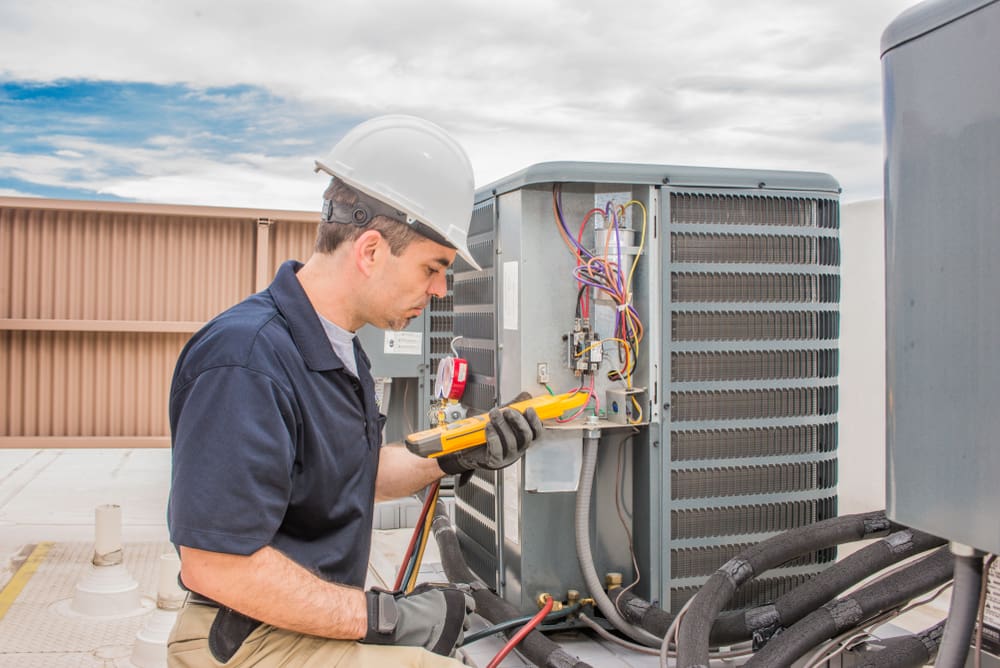
A failing blower motor impacts both summer cooling performance and winter warmth delivery; leaks discovered by an HVAC company during routine AC repair appointments often reveal underlying duct issues affecting both systems’ efficiency year-round.
If your trusted technician flags major concerns while performing Ac repair in Tucson - such as rusted-out heat exchangers visible while servicing evaporator coils - don’t ignore them simply because “it’s not heating season.” These warnings frequently forecast costly midwinter breakdowns best handled proactively rather than reactively.
Pitfalls To Avoid During Replacement
Choosing a reputable HVAC contractor matters as much as picking the right equipment itself:
- Beware bids that seem suspiciously low; corners cut during installation lead directly to ongoing headaches like noisy operation or uneven airflow. Insist on correct sizing based on manual J calculations tailored specifically for your home rather than rule-of-thumb estimates. Ask about warranty coverage details upfront including both manufacturer parts protection and installer labor guarantees. Request proof that any subcontractors hold proper licensing/insurance given Arizona’s strict regulatory environment around residential contracting.
Don’t be swayed by “brand loyalty” alone either; leading manufacturers all produce solid options when installed correctly by skilled teams familiar with local conditions.
Preparing For Installation Day
Homeowners often underestimate how involved proper furnace replacement is compared with simple repairs:
Installers will need clear access throughout hallways/attics/basements depending on where existing units sit; pets should be secured away from work areas due both to safety/liability concerns and potential stress caused by unfamiliar noise/activity lasting several hours at minimum (full-day jobs are common).
Expect temporary loss of both heating/cooling while crossover wiring/testing occurs so plan accordingly if vulnerable family members are present.
Quick checklist before installation day:
Move valuables/fragile items away from pathways leading to mechanical rooms Verify all permits/paperwork are filed by your chosen HVAC company Discuss thermostat compatibility upgrades ahead of time Confirm agreed start/finish times so disruptions fit within your daily routine Prepare payment arrangements based on contract milestones rather than lump-sum upfront feesReal-Life Case Study: Weighing Repairs vs Replacement
A couple near Oro Valley contacted us after three AC repairs within six months flagged blower motor issues plus excessive static pressure inside aging ducts shared between their cooling/heating systems.
Their gas bills had climbed steadily despite no change in usage habits; family allergies worsened noticeably each winter too due likely buildup inside corroded heat exchanger passages impossible to clean thoroughly without complete disassembly/replacement.
After reviewing quotes for ongoing repairs versus full-system upgrade including sealed ductwork plus HEPA-level filtration add-ons tailored for desert pollen/dust loadings unique here locally - they opted for comprehensive replacement instead despite higher upfront cost knowing payback would arrive within four years via lower energy spend/maintenance calls alone not counting intangible gains from healthier breathing environment indoors immediately upon completion.
Final Thoughts From The Field
No single formula fits every situation perfectly because families differ widely by budget priorities/lifestyle plans/property specifics here across metro Tucson spanning everything from historic adobe casitas downtown built before central air existed at all…to sprawling foothills estates equipped originally with oversized commercial-grade gear now approaching technical obsolescence fast thanks shifting efficiency standards/environmental codes statewide pushing everyone toward smarter choices long-term.
The right time for furnace replacement isn’t just about numbers on paper but lived realities faced each winter morning…and peace-of-mind gained knowing next cold snap won’t leave loved ones huddled together waiting hours (or days) for overloaded service crews scrambling citywide once temperatures dip unexpectedly low again as they inevitably do each January/February without fail here under Sonoran skies.
For those unsure where their current system stands today? Schedule an honest evaluation by a trusted local HVAC company committed equally balancing technical know-how against candid communication free from hard-sell tactics so you feel empowered making best call possible whatever path forward makes sense uniquely given circumstances found right now inside your four walls here beneath Catalina Mountains’ chilly shadow each winter ahead yet unseen still looming quietly just around corner once again soon enough…